All voices matter
Bysonu
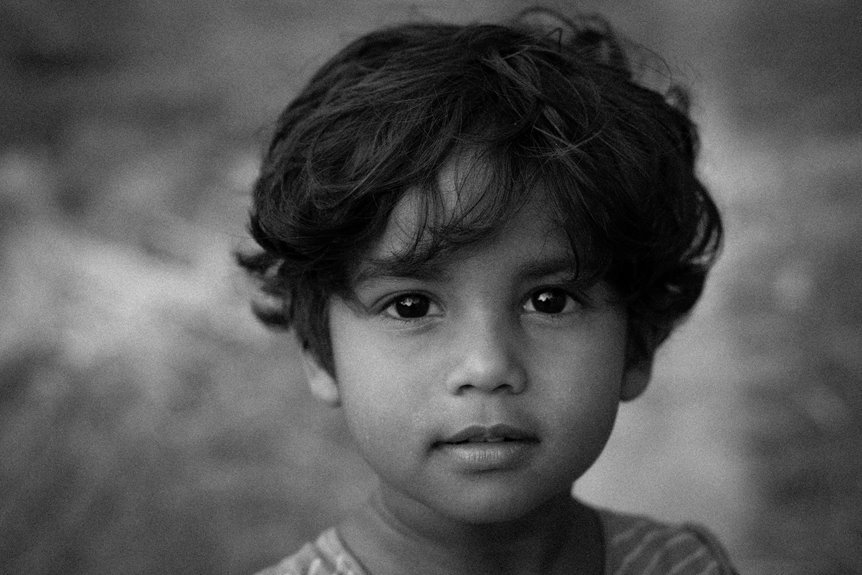
Most Struggled Person in World
The most struggled person in the world is not a single figure but a moving constellation of daily burdens. Limited resources, invisible pressures, and persistent uncertainty erode confidence over time. Yet resilience appears in small acts: pausing before reacting, seeking information when overwhelmed, continuing after setbacks. Through measured empathy and shared accountability, communities can transform hardship into dignity and care. The question remains: how do we recognize and uphold these quiet struggles without losing sight of the human behind them?
What Makes a Life Hard in Quiet Ways
For many people, hardship unfolds in quiet, almost invisible ways that accumulate over time. Subtle pressures erode confidence, while limited resources constrain decisions, creating unseen burdens that ripple through daily life. Quiet perseverance becomes the quiet engine of endurance, not bravado, and evidence suggests small, consistent efforts yield meaningful progress. Courage arises from recognizing limits, choosing informed actions, and asking for help when needed.
The Daily Resilience: Small Battles We Overlook
The daily resilience story is built not from grand moments but from small battles that often go unremarked: the choice to seek information when overwhelmed, to pause before reacting, and to continue moving forward after a setback.
In this light, hardship perception matters less than everyday resilience, demonstrated through steady, evidence-based strategies that empower individuals and cultivate compassionate, courageous, freedom-enhancing coping.
Measuring Struggle: What ‘Most Struggled’ Really Means
What does “most struggled” signify, and how can it be measured with fairness and rigor? A careful framework compares impact across contexts, prioritizing transparency, validity, and ethically sourced data. Measures include duration, intensity, and disruption, tempered by cultural sensitivity. Two word discussion ideas: measuring sorrow, defining hardship. Yet nuance remains; credibility rests on reproducible methods and courageous, evidence-based interpretation for a freedom-seeking audience.
How We Show Up: Empathy, Support, and Shared Humanity
Empathy, support, and shared humanity form the practical core of responding to widespread hardship. The piece examines how communities cultivate resilience through empathy amplification, structured care, and accountable action, rather than spectacle. It notes evidence from social psychology on listening, confirmation of needs, and boundary setting.
Daily rituals anchor support, enabling consistent response despite uncertainty, while freedom-minded discourse sustains courageous, dignified engagement.
Frequently Asked Questions
What Are Unseen Sources of Daily Emotional Fatigue Beyond Obvious Hardships?
Unseen sources of daily emotional fatigue include quiet burdens and subtle cognitive overload, where constant decision-making drains energy. The person endures with compassionate awareness, evidence-based strategies, and courageous pacing, seeking freedom through boundaries, rest, social support, and mindful appraisal.
How Does Culture Shape What Counts as “struggling” for Individuals?
Indeed, culture shapes perceived struggle by norms, expectations, and language; what counts as hardship varies. This culture bias influences who seeks help. Stigma impact can silence voices, yet evidence supports diverse, compassionate understandings of suffering. Freedom grows through recognition.
Can Someone Be the Most Struggled yet Appear Outwardly Fine?
Yes, someone can be the most struggled yet appear outwardly fine, as being resilient coexists with masking pain, while invisible labor supports external appearances and resilience, challenging assumptions and illustrating courage, evidence-based understanding, and a compassionate path toward freedom.
What Role Does Access to Resources Play in Perceived Severity?
Access disparity shapes perceived severity: those with scarce resource access may endure deeper, unseen burdens even if outwardly calm. Allegorically, a locked gate deceives, yet the key lies in equitable resource access, guiding courage, evidence, and freedom.
How Do Personal Coping Strategies Influence Public Perception of Hardship?
Personal coping strategies shape Self perception and Public projection, influencing how hardship is viewed; Privilege perception and Cultural labels color responses, with evidence suggesting resilient strategies reduce stigma, while openness to diverse experiences fosters compassionate, evidence-based discussion aligned with freedom.
Conclusion
In the quiet orbit of daily burdens, resilience becomes a shared instrument, trusted but unseen. The most struggled are not a single figure but a moving constellation, its threads fraying in moments of scarcity and fear. Yet small, deliberate acts—pausing, seeking, continuing—compose a rhythm of courage that binds communities. If empathy guides measurement and care, what seems overwhelming may reveal steady, actionable steps. The ending remains unwritten, but the next move feels increasingly within reach.